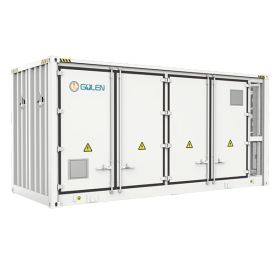
Large-capacity energy storage systems can smoothly dispatch intermittent renewable energy sources, avoiding fluctuations in power output caused by weather changes, thereby enhancing the overall power supply quality and stability of the power grid.
Grid-side energy storage systems deployed across transmission and distribution networks store electricity during off-peak hours and discharge it during peak demand, enabling peak shaving and valley filling to balance supply and demand. They respond rapidly to grid frequency fluctuations, support peak regulation and frequency control, relieve transmission congestion, ensure power supply for critical loads, and smooth the integration of renewable energy sources such as solar and wind—enhancing renewable utilization while improving overall grid efficiency and stability.

Large-capacity energy storage systems can smoothly dispatch intermittent renewable energy sources, avoiding fluctuations in power output caused by weather changes, thereby enhancing the overall power supply quality and stability of the power grid.

It reduces the losses in the process of power transmission and distribution, improves the utilization efficiency of power equipment, and thereby lowers the costs of power grid construction and operation.

It can provide additional power support during peak electricity demand periods and store excess power during off-peak periods, thereby optimizing the allocation of power resources and enhancing the flexibility of power grid operation.

Energy storage systems can participate in auxiliary services of the power market, such as peak shaving and frequency regulation, and obtain profits through market mechanisms to enhance the economic viability and investment appeal of the project.